Modern organizations became increasingly advanced technologically while many workplaces became increasingly disconnected internally. Companies invested heavily in digital transformation, operational efficiency, and data-driven management systems, yet employees and leadership teams often struggled with communication gaps, cultural fragmentation, and organizational fatigue. Businesses improved infrastructure faster than they improved how people functioned together inside that infrastructure. That imbalance created growing instability across industries.
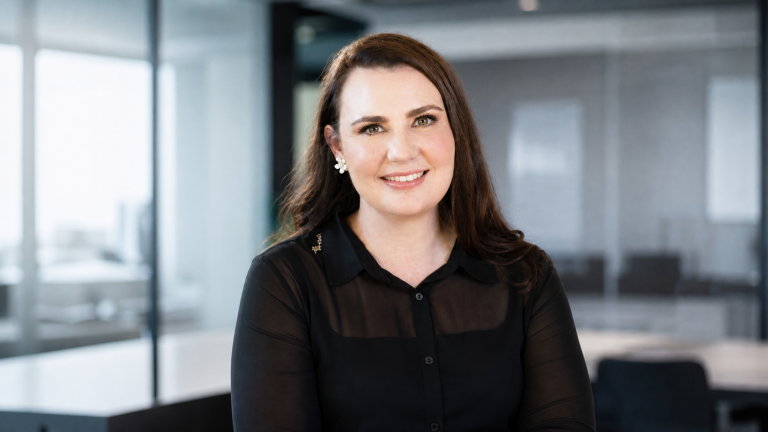
That challenge shaped the rise of Ozge McAree IHS. Through IHS, McAree focused on helping organizations strengthen leadership clarity, communication quality, and long-term organizational resilience through more human-centered business strategy. Her work emerged during a period when businesses increasingly realized that operational performance cannot remain sustainable without healthier internal systems supporting employees and leadership simultaneously. IHS positioned itself around organizational sustainability instead of purely transactional business optimization.
The timing mattered because workplace expectations changed rapidly across global markets. Employees increasingly wanted stronger communication, healthier leadership structures, and more meaningful organizational alignment from employers. At the same time, businesses faced continuous pressure from economic uncertainty, workforce changes, and technological disruption. McAree recognized that many organizations were struggling not because they lacked talent or ambition, but because their internal systems were becoming emotionally and operationally unsustainable.
The Problem IHS Was Really Solving
For years, many organizations approached business development through performance metrics and structural efficiency alone. Companies introduced new management systems, productivity frameworks, and operational processes while paying less attention to communication quality, leadership trust, and organizational wellbeing underneath. Employees were expected to adapt continuously regardless of cultural instability or leadership inconsistency. Over time, those pressures weakened engagement, collaboration, and long-term resilience.
IHS approached the issue differently by focusing on organizational health as a strategic business factor rather than a secondary workplace concern. Ozge McAree understood that businesses cannot maintain strong performance indefinitely if communication, leadership clarity, and employee trust continue deteriorating internally. Instead of separating operational efficiency from human sustainability, IHS positioned them as interconnected organizational priorities.
The company also recognized growing frustration among professionals navigating increasingly reactive work environments. Many employees experienced constant change, unclear expectations, and fragmented leadership communication while organizations prioritized speed above coherence. IHS focused on helping businesses create healthier internal systems capable of supporting adaptability without sacrificing organizational stability. That distinction strengthened the company’s relevance across industries facing workplace fatigue.
There was also a broader cultural shift influencing organizational strategy globally. Employees increasingly questioned workplace cultures built entirely around pressure, hierarchy, and nonstop performance expectations. Businesses unable to respond thoughtfully risked higher turnover, weaker engagement, and long-term instability. McAree recognized that organizational trust was becoming a competitive advantage rather than simply a cultural preference.
Why Ozge McAree Saw the Industry Differently
What distinguished Ozge McAree from many business strategists was her broader understanding of organizational performance as both a human and operational issue simultaneously. Much of traditional consulting culture still treats workplace wellbeing and leadership communication as secondary to profitability and productivity. McAree instead recognized that leadership behavior, communication quality, and emotional sustainability directly influence execution, collaboration, and organizational resilience over time.
Her thinking also challenged the assumption that stronger organizational performance always requires greater intensity and control. Many businesses respond to uncertainty by increasing oversight, reporting structures, and operational pressure across teams. McAree understood that excessive workplace strain often weakens focus, trust, and long-term adaptability instead of strengthening performance. IHS therefore emphasized sustainable leadership and organizational coherence instead of constant acceleration.
The strategy carried some commercial risk because human-centered organizational development can appear less measurable than short-term financial targets or operational metrics. Companies under pressure often prioritize visible performance outputs before investing seriously in workplace sustainability. Yet businesses increasingly discovered that communication breakdowns, leadership inconsistency, and disengagement eventually damage productivity directly. McAree’s approach anticipated that shift before many organizations openly acknowledged it internally.
There was also realism in how she viewed organizational change itself. Sustainable improvement rarely happens through motivational messaging or symbolic culture campaigns alone. IHS appeared more focused on practical leadership behavior, communication systems, and operational alignment than on aspirational corporate branding. That grounded perspective strengthened trust with businesses seeking meaningful long-term improvement.
What Made Ozge McAree Different From Competitors
The organizational consulting market is crowded with firms offering leadership development, workplace strategy, and cultural transformation services. Ozge McAree IHS differentiated itself by focusing less on performance theater and more on sustainable organizational functionality. McAree’s company emphasized how businesses actually operate internally rather than how they present themselves externally. That practical orientation strengthened credibility with leadership teams facing operational strain.
The company also placed stronger emphasis on communication clarity and leadership alignment. Many workplace problems emerge not because employees lack capability, but because organizational messaging becomes inconsistent during periods of pressure and transition. IHS concentrated carefully on helping businesses strengthen relational trust and internal coordination across teams. That systems-oriented approach improved long-term organizational stability.
Another differentiator involved how McAree approached leadership itself. Traditional corporate environments often position leaders primarily as performance drivers responsible for maintaining operational intensity. IHS instead viewed leadership as a process of creating environments where employees can function clearly, collaboratively, and sustainably under pressure. That perspective aligned increasingly with changing workplace expectations globally.
The company also benefited from avoiding exaggerated corporate language. Many consulting firms rely heavily on abstract frameworks and aspirational messaging disconnected from workplace reality. McAree’s approach appeared more grounded in communication behavior, organizational awareness, and practical leadership systems. That realism strengthened the company’s credibility inside modern business environments.
The Decision That Changed IHS
One defining decision for IHS was its commitment to long-term organizational sustainability instead of purely short-term operational optimization. Many consulting firms focus heavily on improving measurable outputs quickly while overlooking the deeper communication and leadership structures influencing long-term resilience. McAree instead concentrated on helping organizations strengthen healthier internal systems capable of sustaining performance over time. That strategic choice shaped the company’s identity significantly.
The decision involved meaningful trade-offs. Sustainable organizational development often produces slower visible results compared with aggressive restructuring or high-intensity productivity programs. Businesses under pressure frequently prefer rapid operational fixes because they create immediate signals of progress externally. IHS accepted a more patient approach focused on durable organizational improvement instead of temporary momentum.
The strategy also reflected McAree’s understanding of changing workforce behavior. Employees increasingly expected businesses to support healthier communication, stronger leadership consistency, and more sustainable workplace structures operationally rather than symbolically. IHS positioned itself around helping organizations adapt to those expectations thoughtfully.
More importantly, the decision revealed a broader philosophy about organizational success itself. McAree appeared less interested in helping businesses maximize short-term output and more focused on helping them remain stable, functional, and resilient internally under long-term pressure. That orientation gave IHS stronger strategic relevance.
Turning Mission Into Operations
Organizations focused on workplace sustainability are often judged by whether their own operational structures reflect the principles they promote externally. IHS attempted to align its internal practices with the same communication clarity, leadership consistency, and organizational awareness it advocated through client work. That consistency strengthened trust with businesses evaluating long-term organizational development seriously.
The company’s operational model also required balancing flexibility with accountability. Organizations still need structure, measurable performance, and operational discipline even while reducing unnecessary strain and fragmentation internally. IHS therefore needed systems capable of supporting healthy collaboration without creating ambiguity or weakened execution. Maintaining that balance required thoughtful leadership and communication discipline.
Hiring philosophy became equally important because businesses centered on organizational sustainability depend heavily on interpersonal awareness and leadership understanding internally. Employees needed to embody the same communication standards and collaborative principles promoted externally through the company’s advisory work. That alignment strengthened operational credibility.
Operational flexibility further improved long-term positioning. Workplace expectations continue evolving rapidly through hybrid work structures, generational changes, and shifting leadership demands globally. McAree’s company appeared willing to adapt alongside those developments while preserving its emphasis on sustainable organizational systems. That responsiveness strengthened relevance across industries.
The Difficult Reality of Scaling
Scaling organizational consulting businesses creates operational tension quickly. Clients increasingly expect personalized support while growth pressures firms toward broader systems and standardized service models. As IHS expanded, preserving the depth and quality of its organizational work likely became more challenging. Growth can weaken the relational nuance that originally differentiates workplace-focused consulting.
Competition inside workplace consulting also intensified significantly. Leadership development, employee engagement, and organizational culture became highly commercialized categories attracting larger firms with broader resources and stronger corporate networks. Smaller specialized businesses therefore faced pressure to differentiate themselves while maintaining operational credibility. IHS needed to remain visible without abandoning its more grounded organizational philosophy.
There is also skepticism surrounding workplace transformation initiatives generally. Many organizations invest heavily in culture and leadership programs without seeing meaningful long-term improvement afterward. McAree had to demonstrate that IHS improved communication, organizational alignment, and workplace functionality in measurable ways rather than introducing temporary motivational momentum. That required balancing philosophy with practical implementation credibility.
Leadership pressure increases alongside visibility. Companies advocating healthier workplace systems are often expected to embody those same standards internally during periods of growth and operational stress themselves. The challenge for McAree was not only helping organizations improve internal sustainability, but maintaining consistency inside her own company simultaneously.
What Ozge McAree’s Story Actually Reveals
The rise of Ozge McAree IHS reflects a broader shift in how businesses are beginning to think about organizational performance itself. Companies increasingly recognize that communication quality, leadership trust, and emotional sustainability influence long-term success more deeply than many traditional management systems assumed. Organizational health is becoming less symbolic and more strategically essential.
What makes McAree’s story notable is not simply that she built another consulting company. She recognized that many organizations were becoming structurally exhausted long before workplace fatigue and leadership burnout became more openly discussed globally. IHS positioned itself around sustainable organizational systems instead of pressure-driven workplace culture.
The company’s growth suggests that businesses are becoming more selective about the environments they create internally. Employees and leaders alike increasingly want organizations capable of balancing accountability with sustainability and operational performance with human clarity. McAree’s work reflects an emerging understanding that resilient businesses are often built less through intensity and more through organizational coherence.