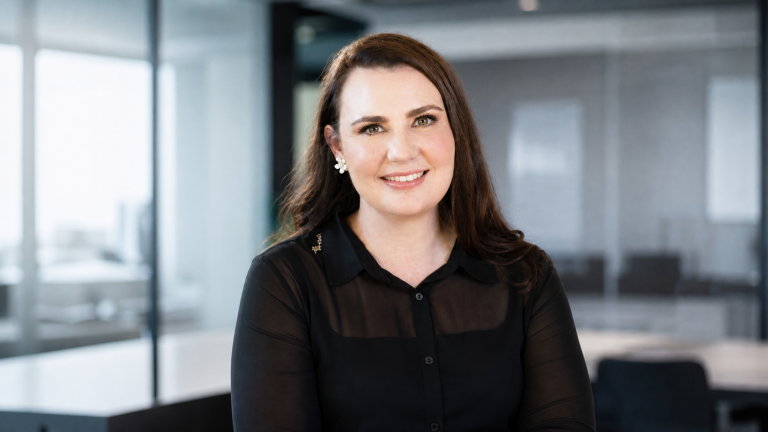
Technology becomes most noticeable when it interrupts work. A slow network, security incident, failed backup, or poorly planned system change can prevent employees from serving customers and completing ordinary tasks. Small and mid-sized businesses face these risks without always having the budget or expertise to maintain a large internal IT department. Katherine Spanner and Sensible Business Solutions have built their approach around making business technology reliable enough to fade into the background.
Based in Sydney and operating since 1985, Sensible Business Solutions provides managed IT support, cybersecurity, cloud services, compliance guidance, business continuity, and technology advisory services. The company was founded by Katherine and Kevin Spanner to help organizations use technology in practical ways that support commercial goals. Rather than selling the same package to every client, Sensible studies how each business operates before recommending systems and priorities. The objective is not simply better technology, but fewer interruptions, clearer decisions, and stronger operational capacity.
The Problem Sensible Business Solutions Was Really Solving
Many businesses treat IT as a repair service that becomes important only after something stops working. This reactive model creates unpredictable costs, repeated disruptions, and systems assembled through short-term decisions. Employees lose time dealing with recurring technical problems, while leaders struggle to understand whether technology spending supports the company’s future. Sensible Business Solutions was designed to replace this cycle with planning and preventative management.
The challenge is particularly serious for growing businesses. Systems that worked for a smaller team may become unreliable as employee numbers, customer data, locations, and compliance responsibilities increase. Adding new tools without a clear roadmap can create duplicated subscriptions, security weaknesses, and disconnected information. Sensible helps clients evaluate these risks before they become expensive operational problems.
Cybersecurity has made this work more urgent. Smaller organizations are attractive targets because attackers often expect weaker controls and limited internal security expertise. A single compromised account or poorly configured device can expose an entire business network. Sensible therefore connects everyday IT management with security, governance, backup planning, and business continuity rather than treating cybersecurity as a separate product.
Why Katherine Spanner Saw the Industry Differently
Katherine Spanner views technology through the priorities of business leaders rather than the preferences of technical specialists. Her public positioning emphasizes understanding organizational goals and planning for success before recommending systems. This perspective challenges an industry habit of beginning conversations with products, specifications, and technical terminology. Spanner instead starts with the outcomes a client needs technology to support.
The distinction matters because the most advanced option is not always the most appropriate one. A business may need simpler workflows, improved staff training, or better use of its existing systems before purchasing additional software. Recommending unnecessary technology can increase complexity without improving performance. Sensible’s approach depends on identifying which investments will create measurable operational value and which can wait.
The Katherine Spanner Sensible Business Solutions model also recognizes that technology decisions affect people throughout an organization. New systems can fail when employees do not understand why they were introduced or how they should be used. Spanner’s team must therefore communicate with executives, managers, and everyday users in language each group can understand. The goal is to make technology feel supportive rather than imposed.
What Made Katherine Spanner Different From Competitors
The managed IT services market includes providers ranging from individual technicians to large international companies. Katherine Spanner positioned Sensible between those extremes, offering mature technology management without requiring clients to build expensive internal departments. The company combines technical support with advisory work, allowing it to address immediate problems while planning for longer-term requirements. This creates a relationship closer to an outsourced technology department than a conventional repair service.
Customization is a central part of the company’s value proposition. Sensible does not attempt to serve every type of customer or sell identical packages to businesses with different needs. Its team examines operational priorities, risk tolerance, compliance responsibilities, and future plans before designing services. That process requires more effort at the beginning but can reduce unnecessary spending and prevent unsuitable technology decisions.
The company’s workplace culture provides another source of differentiation. Sensible practices open-book management, sharing information about strategy and business performance with employees. Team members are encouraged to take initiative and participate in profit sharing when the company performs well. This ownership mindset helps explain why the company has received recognition as a leading Australian workplace and managed services provider.
The Decision That Changed Sensible Business Solutions
A defining decision was to move Sensible Business Solutions beyond reactive technical support and adopt a strategy-first managed-services model. Under this approach, technology planning begins with the client’s commercial objectives, operational risks, and expected growth. The team then develops roadmaps that prioritize investments over time rather than responding only to urgent requests. This changed the company’s role from fixing individual problems to influencing business planning.
The decision required clients to think differently about IT spending. Preventative maintenance, cybersecurity controls, and strategic planning may not produce the immediate satisfaction of repairing a visible failure. Their value appears through incidents that do not happen, downtime that is avoided, and employees who remain productive. Sensible must therefore explain risks and outcomes clearly enough for leaders to make informed decisions before a crisis creates urgency.
This model also placed greater responsibility on Spanner’s team. When a technology provider participates in planning, it becomes accountable for understanding the client’s broader organization. Recommendations must consider budget limitations, employee capabilities, regulatory obligations, and the consequences of implementation. The partnership succeeds only when technical advice remains connected to business reality.
Turning Mission Into Operations
For Sensible Business Solutions, making technology invisible requires continuous work behind the scenes. Networks must be monitored, updates managed, backups tested, risks reviewed, and employees supported before minor issues become major disruptions. The company also provides cloud services, disaster recovery, cybersecurity, compliance support, and technology consulting. Each service contributes to the same objective of creating dependable business operations.
Security standards play an important operational role. Sensible holds ISO 27001 certification, providing a structured framework for managing information-security risks. Certification alone cannot prevent every incident, but it requires documented processes, ongoing reviews, and clearer accountability. These practices are particularly valuable for clients handling sensitive customer information or facing contractual and regulatory requirements.
The company’s internal culture supports service delivery as well. Open-book leadership gives employees greater visibility into how their work affects customers and company performance. Profit sharing connects successful outcomes with rewards across the team rather than limiting benefits to senior leadership. This structure encourages employees to treat client problems as business responsibilities instead of isolated technical tickets.
The Difficult Reality of Scaling
Managed IT providers operate in an environment where customer expectations continue rising. Businesses want rapid support, stronger cybersecurity, predictable pricing, and strategic guidance while remaining cautious about costs. Sensible Business Solutions must invest in skilled employees, monitoring systems, security tools, and training before those investments generate returns. Maintaining service quality becomes harder as the number and complexity of clients increase.
Cyber threats create another form of pressure. Attack methods change constantly, and even well-managed organizations can experience incidents through human error, suppliers, or newly discovered vulnerabilities. Sensible must communicate these risks honestly without using fear to sell unnecessary services. It also needs to prepare clients for the reality that resilience depends on recovery planning as well as prevention.
The company’s people-focused culture will also be tested by growth. Transparency and employee ownership can strengthen performance, but they require leaders to share difficult information and maintain trust during challenging periods. New employees must understand the culture rather than simply receive its benefits. Spanner’s challenge is to preserve close relationships with employees and clients while building systems capable of supporting a larger organization.
What Katherine Spanner’s Story Actually Reveals
The work of Katherine Spanner shows that technology creates the greatest value when it supports business decisions without demanding constant attention. Companies do not need every available tool; they need systems that suit their operations, protect important information, and remain dependable during change. Achieving that simplicity requires disciplined planning and continuous maintenance. Invisible technology is not effortless technology.
The Katherine Spanner Sensible Business Solutions story also reveals that managed IT is ultimately a relationship business. Clients trust an external provider with systems that influence employees, customers, finances, and reputation. Technical knowledge earns entry into that relationship, but communication, judgment, and accountability sustain it. Sensible’s long-term position will depend on continuing to make complex technology feel practical without hiding the serious work required to manage it.