Growth has created an unusual problem for many businesses. Companies now have access to more data, more consultants, and more technology than ever before, yet many leadership teams still struggle to make confident decisions. The challenge is often not a lack of information but an excess of competing advice that obscures what matters most.
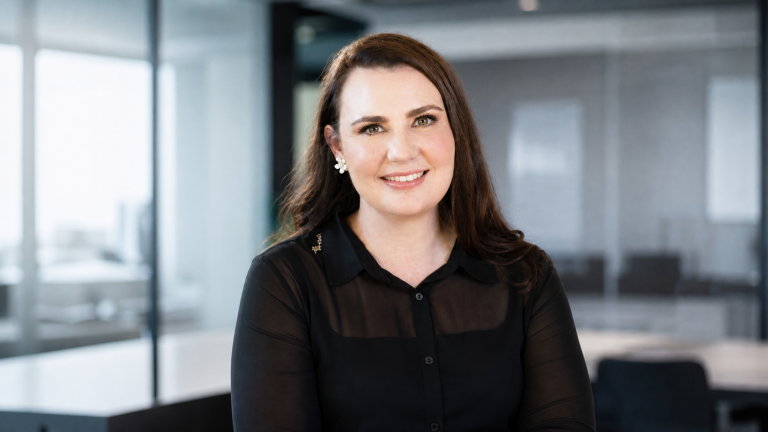
That gap became the opportunity that Dusica Neill saw when building VisionQuest Consultancy. Rather than approaching consulting as a collection of frameworks and presentations, Neill focused on helping organizations translate complexity into practical direction. Her work emerged from a belief that businesses do not need more theories as much as they need clarity, accountability, and decisions that can actually be implemented.
As advisory services became increasingly crowded, many firms competed on scale, specialization, or brand recognition. VisionQuest Consultancy pursued a different route. The company positioned itself around strategic clarity, leadership alignment, and sustainable business growth, aiming to help organizations move from uncertainty to action without becoming dependent on outside advisors.
The Problem VisionQuest Consultancy Was Really Solving
The consulting industry has long faced a recurring criticism. Clients often receive detailed reports and ambitious recommendations, only to discover that implementation proves far more difficult than the strategy itself. Valuable ideas frequently lose momentum once they encounter operational realities, organizational politics, or shifting market conditions.
VisionQuest Consultancy entered that environment with a focus on bridging the distance between strategic thinking and execution. Many business leaders were frustrated by engagements that produced lengthy documentation but limited measurable progress. The company recognized that clients were increasingly looking for advisors who could help organizations navigate decisions rather than simply analyze them.
Another challenge involved leadership alignment. In many organizations, executives may agree on broad goals while holding very different assumptions about priorities, risks, and timelines. Those internal differences can slow decision-making and create costly inefficiencies. By concentrating on clarity and alignment, VisionQuest Consultancy addressed a problem that often sits beneath visible business challenges but has significant consequences for growth.
Why Dusica Neill Saw the Industry Differently
What separates many successful founders from their peers is not necessarily superior information. More often, it is their willingness to question assumptions that others accept as standard practice. Dusica Neill appeared to approach consulting through that lens, focusing less on the production of advice and more on the conditions required for organizations to act on that advice.
That perspective reflects a different understanding of value creation. Instead of measuring success by the complexity of a strategic recommendation, the emphasis shifts toward whether leadership teams can implement decisions consistently across the business. It is a subtle distinction, but one that changes how client relationships are structured and how outcomes are evaluated.
Neill’s approach also suggests a higher tolerance for uncomfortable conversations. Many organizational problems are not caused by market conditions alone. They often involve competing priorities, unclear accountability, or reluctance to confront difficult decisions. Addressing those issues requires a level of candor that some consulting engagements avoid, but it can also create more durable results.
What Made Dusica Neill Different From Competitors
In professional services, trust is often a more valuable asset than expertise alone. Most clients assume consultants possess technical knowledge. What they truly evaluate is whether an advisor understands the realities of their business and can provide guidance that remains relevant after the engagement ends.
For Dusica Neill, that distinction appears central to the philosophy behind VisionQuest Consultancy. Rather than positioning the company as the hero of a client’s story, the emphasis is placed on strengthening the client’s own decision-making capabilities. This creates a relationship built around empowerment rather than dependency.
The company also benefits from a customer experience that prioritizes practicality. Businesses facing strategic uncertainty rarely need additional complexity. They need clarity, alignment, and confidence. By focusing on those outcomes, VisionQuest Consultancy differentiated itself in a market where complexity is sometimes mistaken for value.
The Decision That Changed VisionQuest Consultancy
Every growing consultancy eventually faces a defining choice. One path involves maximizing scale through standardized offerings and larger client volumes. The other prioritizes depth, customization, and long-term relationships, even if growth occurs more gradually.
For VisionQuest Consultancy, the decision to emphasize tailored advisory work appears to have shaped the company’s identity. Choosing customization over standardization carries risks. It can limit scalability, increase operational demands, and require deeper involvement from leadership. However, it also creates opportunities to build stronger client trust and generate more meaningful outcomes.
That choice revealed an important aspect of the firm’s positioning. The company was not attempting to become the largest consultancy in its category. Instead, it focused on becoming a trusted strategic partner capable of addressing complex business challenges with a high degree of engagement and accountability.
Turning Mission Into Operations
A consulting firm’s credibility depends on whether its internal practices reflect the advice it provides to clients. Organizations seeking guidance on leadership, strategy, and growth expect consultants to demonstrate those qualities within their own operations. That expectation places pressure on every aspect of the business, from hiring decisions to client management processes.
For VisionQuest Consultancy, operational discipline likely became an essential component of delivering consistent results. Hiring professionals who can navigate both strategic discussions and implementation challenges requires careful selection and development. Technical expertise alone is rarely enough; communication skills, adaptability, and business judgment are equally important.
Transparency also plays a critical role. Clients increasingly expect clear expectations regarding objectives, timelines, and measurable outcomes. By emphasizing accountability and open communication, consulting firms can strengthen relationships while reducing the risk of misaligned expectations. Those operational choices often determine whether a consultancy becomes a long-term partner or a short-term vendor.
The Difficult Reality of Scaling
Growth creates opportunities, but it also introduces new forms of pressure. As advisory firms expand, maintaining service quality becomes increasingly difficult. What works for a small portfolio of clients may become harder to sustain as demand increases and organizational complexity grows.
For Dusica Neill, scaling likely required balancing growth ambitions with the standards that initially attracted clients. Expanding too quickly can dilute quality, while growing too cautiously may limit opportunities and market relevance. Few founders find that balance immediately, and most encounter periods of adjustment along the way.
Competition adds another layer of difficulty. The consulting sector includes global firms, specialized boutiques, and independent advisors, all competing for attention and trust. Standing out in that environment requires more than expertise. It demands consistent delivery, strong client relationships, and a clear point of differentiation.
Leadership pressure also intensifies as organizations mature. Founders who once focused primarily on client work must increasingly manage teams, systems, and long-term strategy. The skills required to build a consultancy are not always identical to those required to scale one, making adaptation a continuous requirement rather than a one-time achievement.
What Dusica Neill’s Story Actually Reveals
The story of Dusica Neill is not simply about consulting. It reflects a broader shift in how organizations seek guidance during periods of uncertainty. Businesses increasingly value advisors who can help transform complexity into action rather than those who merely provide analysis. That shift rewards firms capable of combining strategic thinking with practical execution.
The experience of VisionQuest Consultancy also highlights an important lesson about modern business leadership. Sustainable growth often depends less on having perfect answers and more on creating clarity when answers are incomplete. As markets become more complex, the ability to align people around decisions may become one of the most valuable capabilities a company can develop. The continued relevance of the Dusica Neill VisionQuest Consultancy approach suggests that clarity remains a competitive advantage in its own right.