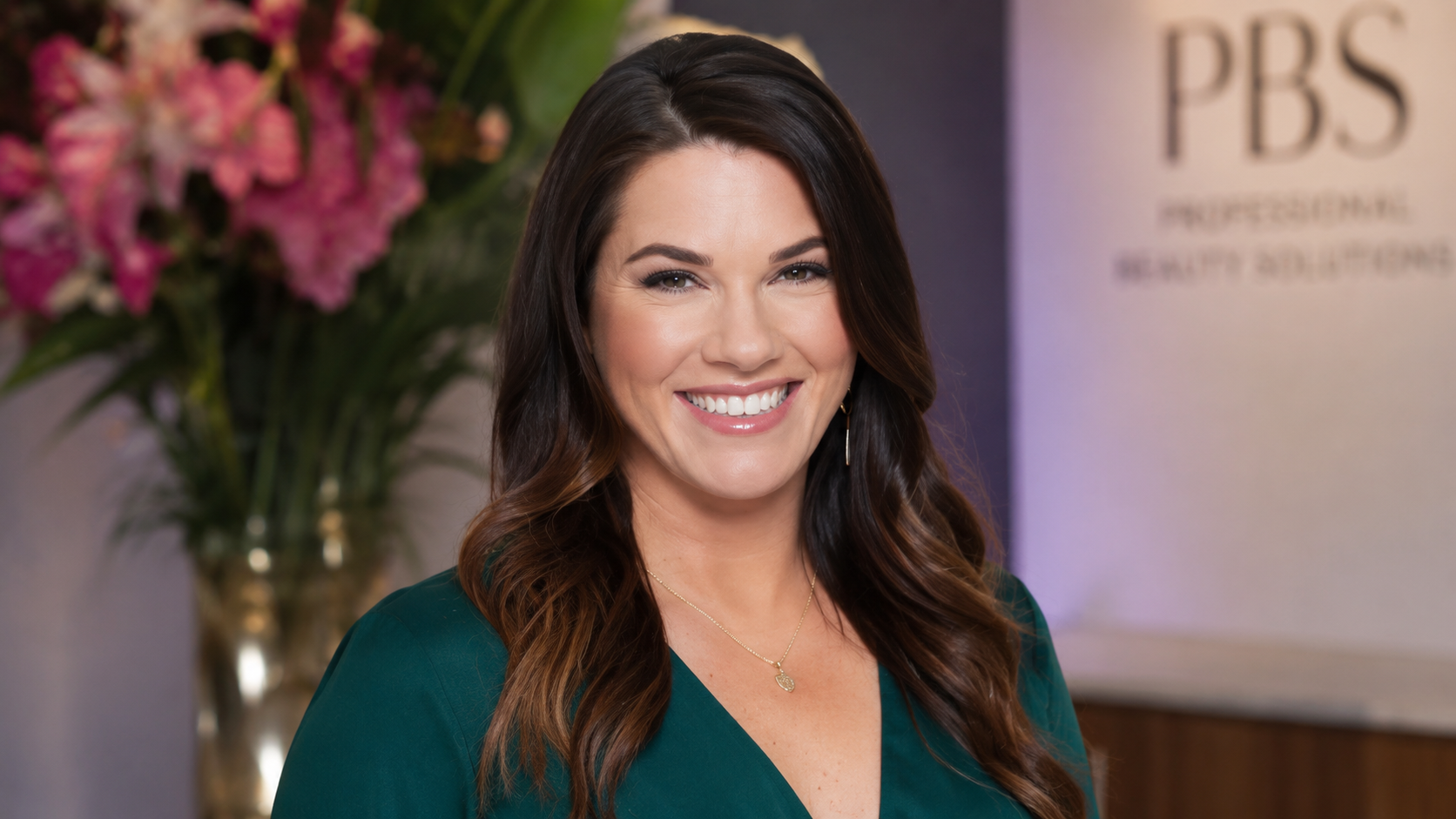
The beauty industry often looks glamorous from the outside, but behind the branding and product launches sits a highly competitive supply ecosystem shaped by logistics, retail pressure, and rapidly changing consumer expectations. Salons, retailers, and beauty professionals depend heavily on distributors capable of delivering reliable access to products, education, and operational support at scale. When supply chains weaken or product availability becomes inconsistent, the impact reaches businesses almost immediately. That environment shaped the relevance of Professional Beauty Solutions (PBS).
When Lisa Williams became associated with the company’s broader direction, the challenge appeared larger than simply distributing beauty brands. Businesses across the beauty sector were already dealing with changing customer behavior, ecommerce disruption, and rising competition from direct-to-consumer companies. Williams seemed to recognize that beauty professionals needed more than products alone. They needed operational consistency, education, and long-term support in an increasingly unstable retail environment.
That perspective helped Professional Beauty Solutions position itself differently from many distributors operating inside the beauty market. Instead of focusing purely on transactional sales relationships, the company emphasized industry partnerships, professional support, and sustainable business relationships. In a sector where trust and reliability directly influence commercial survival, those priorities became increasingly valuable.
The Problem Professional Beauty Solutions (PBS) Was Really Solving
Many beauty businesses operate inside highly fragmented supply systems. Salons and retailers frequently depend on multiple distributors, inconsistent inventory cycles, and rapidly shifting product trends that make long-term planning difficult. At the same time, beauty professionals face growing pressure to remain competitive while continuously adapting to changing consumer preferences. Professional Beauty Solutions (PBS) entered a market where operational stability had become just as important as product quality.
That challenge became especially visible as digital commerce accelerated across the beauty industry. Consumers gained access to global brands instantly, but salons and professional retailers often struggled to maintain differentiation and product consistency. Businesses increasingly needed partners capable of supporting both commercial growth and professional credibility. Lisa Williams appeared to understand that distributors could no longer operate as simple supply intermediaries disconnected from broader industry pressures.
The company’s approach reflected wider changes happening across professional beauty retail itself. Salons and beauty professionals increasingly expected distributors to provide education, training, operational support, and strategic guidance alongside product access. Businesses unable to offer that broader ecosystem support risked becoming interchangeable in highly competitive markets. PBS positioned itself around strengthening professional relationships rather than focusing only on product movement.
Why Lisa Williams Saw the Industry Differently
One reason Lisa Williams stood apart was her apparent understanding that beauty businesses depend heavily on consistency and trust. Many companies inside the beauty sector prioritize visibility and trend cycles while underestimating how operational instability damages professional relationships over time. Williams seemed more focused on building dependable industry infrastructure than chasing short-term market attention.
That mindset influenced how Professional Beauty Solutions (PBS) approached growth and partnership development. Instead of treating salons and retailers as purely transactional accounts, the company emphasized long-term collaboration and professional support. Businesses frequently remain loyal to partners that reduce operational stress and provide stability during uncertain market conditions.
There was also a noticeable emphasis on balancing commercial scale with industry understanding. Large distributors sometimes lose connection with the daily realities beauty professionals face, while smaller operators struggle to maintain inventory and infrastructure consistency. Williams appeared to recognize that sustainable industry positioning requires both operational capability and close understanding of professional customer needs.
What Made Lisa Williams Different From Competitors
The beauty distribution industry often rewards companies capable of securing large brand portfolios and aggressive expansion. Yet many professional customers have become increasingly frustrated with businesses that prioritize growth while weakening service quality or relationship depth. Lisa Williams differentiated herself by focusing more heavily on reliability, support, and long-term industry trust.
Another difference was the company’s emphasis on education and professional development alongside product distribution. Many distributors focus narrowly on sales performance without investing significantly in helping clients strengthen their own businesses. Professional Beauty Solutions (PBS) appeared to position itself closer to a long-term industry partner capable of supporting both operational and professional growth.
The company also benefited from maintaining a practical and grounded identity. Beauty industries frequently rely on aspirational branding and trend-driven marketing narratives. PBS instead leaned toward operational consistency and professional credibility, which likely resonated with salon owners and beauty businesses facing increasing commercial pressure.
The Decision That Changed Professional Beauty Solutions (PBS)
One defining decision appears to have been the company’s commitment to expanding beyond traditional distribution into broader professional support and education services. That shift increased operational complexity significantly because it required deeper involvement in customer success rather than purely product fulfillment.
For Lisa Williams, the decision reflected a broader understanding of how the professional beauty industry was evolving. Salons and beauty professionals could no longer rely solely on product access to remain competitive. They increasingly needed business support, training, and strategic guidance to navigate changing customer expectations and digital disruption.
The move also carried financial and organizational risk. Expanding into education and long-term professional support requires additional infrastructure, expertise, and operational investment. Yet the decision strengthened PBS’s positioning by making the company more deeply integrated into the broader success of its professional customers.
Turning Mission Into Operations
Distribution businesses depend heavily on operational discipline because customer trust weakens quickly when reliability declines. Professional Beauty Solutions (PBS) appeared to focus strongly on inventory consistency, logistics management, and professional communication because beauty businesses rely on stable product access to maintain customer relationships themselves.
Hiring decisions likely became increasingly important as the company expanded. Teams supporting professional beauty clients need more than product knowledge alone. They must understand salon operations, retail pressure, customer behavior, and the broader economics shaping the beauty industry. Lisa Williams seemed aware that effective distribution depends heavily on relationship quality and operational responsiveness.
The company’s operational philosophy also reflected broader industry trends. Beauty professionals increasingly expect distributors to function as collaborative partners rather than distant suppliers. PBS positioned itself around helping businesses navigate industry change while maintaining stronger operational consistency inside highly competitive markets.
The Difficult Reality of Scaling
Scaling a beauty distribution company creates enormous operational pressure. Growth increases revenue opportunities and market reach, but it also intensifies challenges across logistics, inventory management, supplier coordination, and customer service. For Professional Beauty Solutions (PBS), maintaining reliability while expanding likely became one of the company’s most difficult balancing acts.
Competition inside beauty distribution has also intensified dramatically. Ecommerce marketplaces, direct-to-consumer brands, and global retail platforms all compete for influence across the same professional ecosystems. That environment forced Lisa Williams to differentiate the company through service quality, trust, and industry understanding rather than pricing competition alone.
There is also the broader challenge of operating inside trend-driven consumer markets. Beauty preferences shift quickly, product cycles shorten constantly, and consumer expectations evolve faster than traditional retail systems can easily adapt. Businesses like PBS must therefore remain operationally flexible without sacrificing consistency or professional credibility.
What Lisa Williams’ Story Actually Reveals
The rise of Lisa Williams and Professional Beauty Solutions (PBS) reflects a broader shift happening across modern beauty retail and distribution. Businesses are becoming less interested in transactional supplier relationships and more focused on long-term operational partnerships capable of supporting stability and growth simultaneously.
The company’s trajectory also highlights how professional beauty industries are evolving under digital and commercial pressure. Salons, retailers, and beauty professionals increasingly depend on ecosystems built around reliability, education, and strategic support rather than simple product access alone. Companies capable of combining operational scale with human-centered industry relationships may ultimately prove more resilient than distributors focused purely on expansion speed.