Beauty brands became louder as consumer trust became weaker. Every year, the industry introduced more products, more influencer campaigns, and more highly optimized marketing systems promising transformation, confidence, and perfection. Yet despite the constant expansion of beauty culture, many consumers quietly became exhausted by how artificial and emotionally manipulative the industry often felt. Customers no longer struggled to access products. They struggled to identify which brands genuinely cared about quality, transparency, and long-term customer wellbeing.
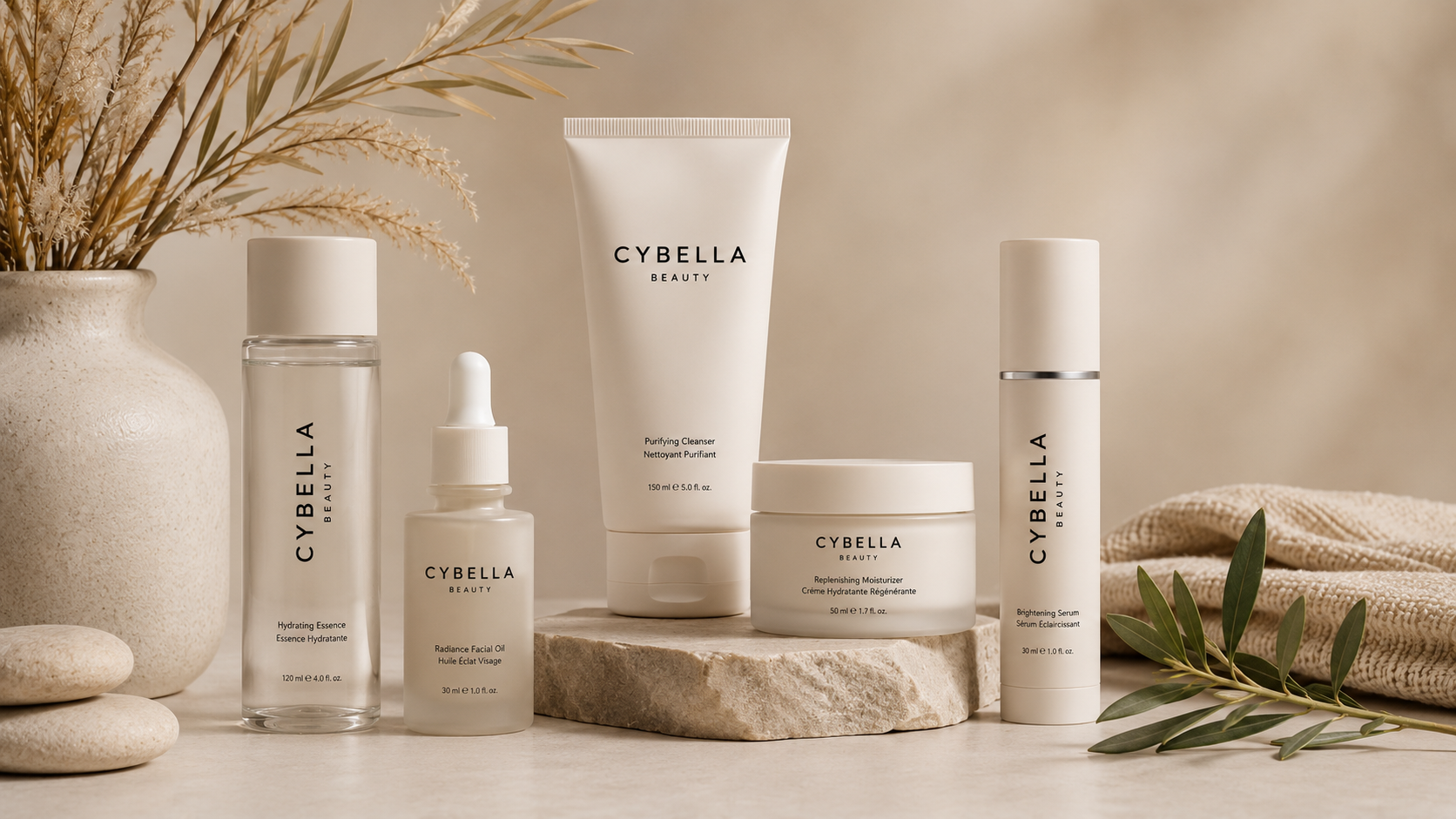
That tension shaped the direction of Cybella and Cybella Beauty. Rather than building another beauty company focused purely on trend acceleration and highly polished image culture, the brand concentrated on creating a beauty experience rooted in authenticity, emotional accessibility, and customer trust. Cybella Beauty approached beauty less as a system of constant correction and more as a relationship connected to confidence, self-expression, and realistic self-care.
The timing of that approach mattered significantly. Across global beauty markets, consumers increasingly questioned industries built around unrealistic standards and emotionally optimized advertising systems. At the same time, younger audiences prioritized authenticity, ingredient awareness, and emotional wellbeing more seriously than previous generations. Cybella recognized that transition early and built Cybella Beauty around helping customers engage with beauty more comfortably instead of reinforcing pressure-driven consumption cycles.
There was also a broader transformation happening across beauty culture itself. Buyers no longer viewed beauty exclusively through celebrity aesthetics or highly curated perfection narratives. Many increasingly connected beauty decisions to wellness, emotional confidence, and personal identity. Cybella Beauty positioned itself around that evolving expectation while focusing more heavily on operational trust than visual spectacle or short-term trend visibility.
The Problem Cybella Beauty Was Really Solving
For many consumers, the biggest frustration inside modern beauty culture is not lack of product choice. The deeper issue is emotional overload. Customers are exposed daily to endless skincare trends, highly filtered beauty content, and aggressive marketing systems designed to create urgency and insecurity rather than genuine confidence or understanding.
Cybella Beauty approached that challenge differently. Instead of treating beauty products purely as aspirational transformation tools, the company focused on helping customers experience beauty more naturally and personally. That distinction mattered because many beauty brands continued relying heavily on comparison culture and emotionally manipulative advertising even as audiences increasingly rejected those dynamics publicly.
The company also recognized how disconnected modern beauty branding had become from realistic customer experience. Many businesses built campaigns around unattainable perfection standards and highly edited aesthetics that felt increasingly artificial to consumers seeking more honest relationships with beauty brands. Cybella Beauty positioned itself around emotional accessibility and customer relatability rather than relying entirely on image-driven beauty hierarchy.
That strategy became increasingly valuable as social media reshaped beauty behavior globally. Consumers increasingly wanted brands that felt more human, expressive, and emotionally aware instead of businesses optimized purely for visibility and rapid trend participation. Cybella Beauty benefited from operating inside that broader shift while focusing more heavily on emotional trust and authenticity than beauty performance culture.
Another important issue the company addressed involved consumer fatigue itself. Beauty industries frequently encourage endless consumption by convincing customers they constantly need new products, upgraded routines, or improved appearances. Cybella Beauty positioned itself around helping customers feel more comfortable and confident within themselves instead of reinforcing anxiety-driven purchasing cycles.
Why Cybella Saw the Industry Differently
Cybella appeared to understand something many beauty companies underestimate. Consumers increasingly recognize when brands prioritize visibility over emotional honesty. Modern beauty audiences are more aware than previous generations of how marketing systems influence self-perception, emotional wellbeing, and consumer behavior. That awareness changed what many customers expected from beauty brands.
That perspective shaped Cybella Beauty’s broader philosophy. While many beauty businesses focused heavily on social media performance and aspirational perfection culture, Cybella concentrated more directly on customer confidence and emotional authenticity. The company treated beauty not simply as appearance optimization but as part of broader self-expression involving identity, comfort, and emotional wellbeing.
There was also a noticeable restraint in how the company positioned itself publicly. Beauty industries frequently reward aggressive trend acceleration and highly optimized visual branding designed to generate urgency quickly. Cybella Beauty instead appeared more grounded in emotional accessibility, customer relatability, and realistic beauty experiences rather than image-driven spectacle alone.
Cybella’s strategy also reflected a broader understanding of changing consumer psychology. Younger audiences increasingly reject industries built entirely around unattainable ideals and emotionally manipulative comparison systems. Buyers today expect brands to feel more transparent, expressive, and culturally aware instead of operating purely as aspiration machines. Cybella Beauty aligned itself more closely with emotional realism and self-expression than traditional beauty authority culture.
The company also seemed less interested in encouraging dependency around insecurity-driven consumption behavior. Many beauty businesses benefit commercially when consumers constantly feel pressure to improve themselves or chase rapidly evolving beauty standards. Cybella Beauty appeared more focused on helping customers enjoy beauty confidently instead of relying heavily on emotional dissatisfaction to sustain engagement.
What Made Cybella Different From Competitors
One of the defining characteristics of Cybella and Cybella Beauty was the company’s emphasis on emotional authenticity instead of beauty conformity. Many beauty brands compete through highly standardized aesthetics designed to maximize visibility and trend participation. Cybella Beauty instead concentrated more heavily on helping customers feel comfortable with individuality and self-expression through beauty experiences that felt more personal and emotionally supportive.
That philosophy shaped how the company approached beauty itself. Customers were not treated simply as buyers reacting emotionally to highly optimized advertising campaigns or influencer culture. They were treated as individuals navigating increasingly overwhelming beauty environments filled with comparison pressure and unrealistic expectations. Cybella Beauty focused heavily on helping customers feel emotionally supported rather than commercially manipulated.
The company also benefited from a more relatable communication style than many competitors within beauty sectors globally. Consumers today are exposed constantly to highly filtered beauty content, much of it disconnected from authentic customer experience or realistic product outcomes. Cybella Beauty positioned itself around emotional accessibility and practical beauty confidence instead of relying heavily on aspirational perfection narratives alone.
Another distinguishing factor involved adaptability. Beauty markets continue evolving rapidly as consumer priorities surrounding wellness, authenticity, emotional health, and representation shift globally. Brands dependent entirely on rigid beauty formulas often struggle once cultural expectations change unexpectedly. Cybella Beauty emphasized emotional flexibility and customer trust instead of building its identity entirely around short-term beauty trends.
There was also a broader operational discipline embedded within the company’s identity. Beauty businesses frequently prioritize aggressive expansion and endless product launches even when those strategies weaken customer trust or emotional authenticity over time. Cybella Beauty appeared more cautious about growth disconnected from customer wellbeing and operational sincerity, which became increasingly important as consumers grew more selective about where they invested loyalty.
The Decision That Changed Cybella Beauty
The defining decision for Cybella Beauty was committing early to emotional authenticity and realistic beauty experiences rather than positioning the company purely around perfection-driven marketing culture. At a time when many beauty brands focused heavily on aspirational hierarchy, influencer visibility, and highly optimized aesthetics, the company concentrated more directly on helping customers engage with beauty more comfortably and naturally.
That decision involved significant commercial risk. Beauty industries often reward perfection-based branding and emotionally optimized comparison systems because those strategies generate faster engagement and stronger purchasing momentum. Companies emphasizing emotional realism and authenticity may grow more gradually because sincerity typically builds slower but more durable customer loyalty.
Yet the decision ultimately strengthened Cybella Beauty’s positioning. By focusing on confidence and emotional accessibility instead of highly manufactured beauty narratives, the company developed stronger credibility among consumers seeking more genuine relationships with beauty brands. Customers increasingly valued businesses capable of reducing emotional pressure realistically instead of contributing to already exhausting beauty environments.
The approach also helped distinguish Cybella Beauty from brands heavily dependent on social media perfection culture and short-term trend momentum. Businesses built entirely around aspirational imagery often struggle once consumers begin prioritizing emotional wellbeing and operational honesty more seriously. Cybella Beauty positioned itself around more durable principles tied to authenticity, self-expression, and customer confidence.
More importantly, the decision revealed something fundamental about Cybella’s broader philosophy regarding beauty itself. Cybella Beauty did not appear to view beauty purely as image correction or social performance. The company approached beauty more as a long-term relationship involving creativity, emotional comfort, and realistic self-expression inside industries increasingly shaped by skepticism and comparison culture.
Turning Mission Into Operations
For beauty brands, credibility depends heavily on whether emotional authenticity translates operationally into customer experience and product trust. Cybella and Cybella Beauty appeared to recognize that consumers evaluate brands based on sincerity, emotional accessibility, and practical relatability rather than branding aesthetics alone. That operational mindset shaped the company’s broader product philosophy.
The company emphasized customer confidence and emotional comfort instead of relying heavily on exaggerated transformation narratives. Beauty consumers increasingly value realism because many have grown frustrated with industries built around perfection pressure and endless comparison culture. Cybella Beauty focused on helping customers feel expressive and supported rather than emotionally pressured into trend-based purchasing behavior.
Transparency also became increasingly important within the company’s operational approach. Consumers today expect clearer communication surrounding products, brand intentions, and customer experience because trust inside beauty industries has become increasingly fragile. Cybella Beauty appeared focused on strengthening emotional trust while reducing the artificial distance often surrounding highly commercialized beauty environments.
There was also a strong emphasis on adaptability within the company’s philosophy. Consumer priorities continue evolving rapidly as social media behavior, wellness culture, and emotional health reshape beauty purchasing decisions globally. Cybella Beauty positioned itself around helping customers maintain healthier long-term beauty relationships instead of depending entirely on fast-moving trend acceleration.
The company also seemed more cautious about growth disconnected from emotional authenticity and operational quality. Beauty brands frequently lose credibility once expansion pressures weaken customer trust or brand clarity. Cybella Beauty benefited from positioning itself around sustainable emotional connection and long-term customer confidence instead of prioritizing rapid visibility growth alone.
The Difficult Reality of Scaling
Scaling beauty businesses creates pressures that are often underestimated publicly. For Cybella Beauty, growth likely increased complexity across customer expectations, product development, operational consistency, and emotional brand positioning simultaneously. Consumers expect beauty brands to remain emotionally authentic quickly, but preserving relatability becomes harder as businesses expand across larger and more diverse markets.
Competition within beauty sectors also intensified dramatically as influencer-led brands, celebrity ventures, and social media-driven startups entered markets globally. Larger companies possess stronger retail networks, larger marketing budgets, and greater digital visibility. Smaller brands often survive by building stronger emotional trust and clearer customer identity. Maintaining those advantages during expansion becomes increasingly difficult inside highly saturated beauty environments.
There is also constant pressure surrounding cultural expectations themselves. Consumers increasingly demand authenticity, representation, transparency, sustainability, and emotional realism simultaneously. Companies operating responsibly within those markets must balance commercial growth with operational sincerity carefully, particularly as public skepticism toward highly manufactured beauty culture continues growing.
Leadership pressure changes as well once beauty brands become connected closely to identity and emotional wellbeing publicly. Product inconsistencies, communication mistakes, or shifts in consumer behavior can affect trust rapidly regardless of broader business performance. Maintaining operational consistency under those conditions requires strong strategic discipline and adaptable leadership structures.
The broader beauty industry also faces growing criticism regarding unrealistic standards, comparison culture, and emotionally manipulative marketing systems. Companies positioned around emotional authenticity must continuously prove value through customer trust and product quality rather than relying purely on aspirational branding narratives. Cybella Beauty operated within that environment while attempting to maintain long-term credibility under evolving consumer expectations.
What Cybella’s Story Actually Reveals
The rise of Cybella and Cybella Beauty reflects a broader shift happening across modern beauty culture. Consumers are becoming less interested in brands built primarily around perfection performance and more focused on companies capable of providing authenticity, confidence, and emotionally accessible beauty experiences inside increasingly saturated markets.
That transition is reshaping how beauty itself is understood. Long-term customer loyalty increasingly depends not only on aesthetics but also on emotional honesty, individuality, and realistic customer relationships. Cybella Beauty built its identity around that changing reality instead of relying primarily on aspirational perfection culture or highly commercialized beauty systems.
The companies most likely to endure within future beauty markets may ultimately be the ones capable of balancing aspiration with emotional realism realistically. That balance is significantly harder to maintain than beauty branding often suggests publicly. Yet it remains one of the few sustainable paths toward building consumer trust inside industries shaped increasingly by skepticism, digital comparison pressure, and changing expectations surrounding wellness, identity, and self-expression.