Modern businesses often grow faster than their internal alignment can handle. Teams expand, responsibilities overlap, and decision-making becomes increasingly fragmented as organizations attempt to scale in competitive markets. Leaders spend enormous amounts of time managing communication gaps, operational confusion, and shifting priorities instead of focusing on long-term strategy. That tension created the environment in which Aligned Business developed its relevance.
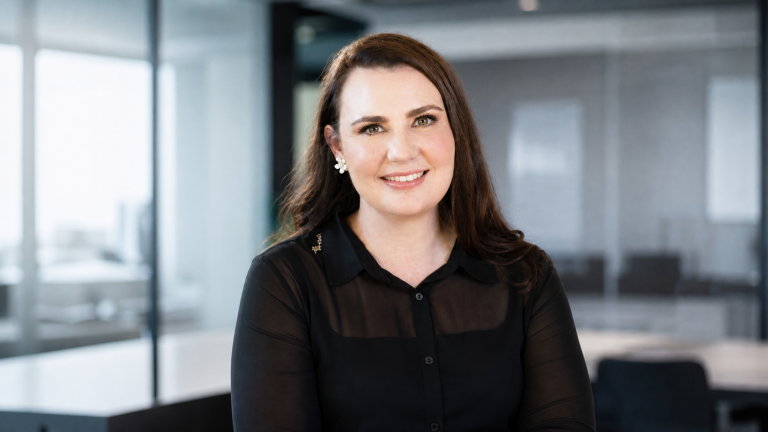
When Susan He became associated with the company’s broader direction, her approach appeared less focused on motivational business culture and more centered on organizational clarity. Companies were already surrounded by consultants promising transformation, productivity, and leadership growth, yet many businesses still struggled with internal inconsistency and strategic confusion. He seemed to recognize that companies rarely fail because of ambition alone. More often, they weaken because teams stop operating with shared direction and coordinated execution.
That perspective helped Aligned Business position itself differently from many firms operating inside the advisory and consulting market. Instead of emphasizing aggressive expansion or abstract innovation language, the company focused more heavily on alignment between leadership, operations, communication, and long-term objectives. In unstable economic conditions where businesses face constant pressure to adapt quickly, organizational alignment became increasingly valuable.
The Problem Aligned Business Was Really Solving
Many organizations operate with hidden structural inefficiencies that leadership teams do not fully recognize until growth begins slowing. Departments develop competing priorities, communication becomes inconsistent, and operational systems fail to evolve at the same pace as company expansion. Businesses often respond by introducing additional meetings, management layers, or productivity systems that increase complexity rather than reducing it. Aligned Business entered a market where companies needed simplification and coordination instead of more operational noise.
That challenge became especially visible among businesses navigating rapid digital change and evolving workforce expectations. Employees increasingly expect transparency, clear leadership communication, and stronger operational consistency, while companies simultaneously face pressure to remain competitive and adaptable. Susan He appeared to understand that sustainable growth depends heavily on whether organizations maintain internal coherence while scaling externally.
The company’s approach reflected broader changes happening across modern leadership culture. Businesses increasingly recognize that strategic planning has limited value if execution becomes fragmented across teams and departments. Organizations unable to maintain alignment often struggle with slower decision-making, employee fatigue, and weakened operational resilience even when market opportunities remain strong. Aligned Business positioned itself around helping companies reduce those internal fractures before they become larger organizational problems.
Why Susan He Saw the Industry Differently
One reason Susan He stood apart was her apparent skepticism toward overly complicated business systems. Corporate environments often respond to growth challenges by adding new tools, frameworks, and reporting structures that unintentionally create more confusion. He seemed more interested in helping businesses operate with clarity and focus rather than complexity disguised as sophistication.
That mindset influenced how Aligned Business approached organizational strategy. Instead of treating leadership, operations, and communication as separate disciplines, the company emphasized the importance of integration across all parts of a business. Companies frequently struggle because departments evolve independently while leadership assumes alignment exists automatically.
There was also a noticeable emphasis on practical implementation instead of endless strategic theory. Modern organizations operate in highly dynamic environments where priorities shift quickly and execution pressure remains constant. Susan He appeared to recognize that businesses need systems capable of supporting adaptability without weakening consistency or accountability. That operational realism became central to the company’s broader positioning.
What Made Susan He Different From Competitors
The consulting industry is filled with firms promising transformation through highly structured frameworks and performance language. Yet many businesses have become increasingly skeptical of strategies that sound impressive but fail to improve everyday operational reality. Susan He differentiated herself by focusing more heavily on organizational simplicity, clarity, and execution discipline.
Another difference was the company’s emphasis on long-term alignment rather than short-term momentum. Many advisory firms prioritize immediate visible results because rapid changes create stronger client excitement and easier marketing narratives. Aligned Business appeared more interested in helping organizations build sustainable systems capable of supporting growth over extended periods of time.
The company also benefited from maintaining a relatively measured identity. In professional services, exaggerated branding and aggressive business rhetoric often attract attention but weaken credibility when expectations become unrealistic. Aligned Business instead leaned toward trust, operational understanding, and strategic consistency, which likely resonated with leadership teams exhausted by constant organizational complexity.
The Decision That Changed Aligned Business
One defining decision appears to have been the company’s commitment to integrating leadership strategy with operational execution rather than treating them as disconnected consulting areas. That move significantly expanded the organization’s role because it connected strategic planning directly to how businesses function day-to-day.
For Susan He, the decision reflected a broader understanding of modern business pressure. Companies no longer needed isolated strategy sessions disconnected from operational reality. Leaders increasingly wanted support that addressed communication systems, organizational behavior, and execution consistency simultaneously. Positioning Aligned Business around practical organizational alignment strengthened the company’s long-term relevance.
The decision also carried operational risk because deeper organizational involvement increases expectations and accountability. Once consulting firms become integrated into business systems themselves, clients expect measurable operational improvement rather than abstract strategic insight alone. Yet the move helped differentiate Aligned Business from firms focused primarily on presentations and theoretical planning frameworks.
Turning Mission Into Operations
Organizations centered around strategic alignment depend heavily on operational discipline internally. Consulting companies quickly lose credibility when their own communication systems or execution standards become inconsistent. Aligned Business appeared to focus strongly on structure, responsiveness, and collaborative communication because trust inside advisory relationships depends heavily on reliability.
Hiring decisions likely became increasingly important as the company expanded. Professionals operating inside organizational consulting environments need more than analytical expertise. They must also understand leadership psychology, operational systems, and how businesses respond under pressure. Susan He seemed aware that effective advisory work depends heavily on balancing strategic thinking with practical human understanding.
The company’s operational philosophy also reflected broader workplace trends. Employees increasingly value transparency, clarity, and consistent leadership communication inside organizations. Businesses failing to maintain those qualities often struggle with engagement and execution over time. Aligned Business positioned itself around helping companies strengthen operational coherence without sacrificing adaptability.
The Difficult Reality of Scaling
Scaling an advisory business creates a different form of complexity than scaling product-based companies. Growth increases visibility and revenue opportunities, but it can also weaken consistency across client relationships and project quality if expansion happens too aggressively. For Aligned Business, maintaining strategic depth while supporting more organizations likely became one of the company’s most difficult balancing acts.
Competition inside organizational consulting has also intensified significantly. Companies now have access to independent consultants, leadership coaches, digital advisory platforms, and AI-assisted business tools competing for the same executive attention. That environment forced Susan He to differentiate the company through operational credibility and relationship quality rather than visibility alone.
There is also the broader challenge of operating during periods of economic uncertainty. Businesses facing financial and organizational pressure increasingly demand measurable value from advisory relationships. Consulting firms can no longer rely solely on reputation or strategic language. They must demonstrate practical operational improvement in environments where leadership teams are under constant pressure to justify every investment.
What Susan He’s Story Actually Reveals
The rise of Susan He and Aligned Business reflects a broader shift happening across modern business leadership. Companies are becoming less interested in complexity for its own sake and more focused on clarity, operational discipline, and sustainable execution under pressure.
The company’s trajectory also highlights how leadership itself is evolving. Modern executives are expected not only to drive growth, but also to maintain alignment, communication quality, and organizational trust during periods of constant change. Businesses capable of simplifying operations while remaining adaptable may ultimately prove more resilient than organizations driven entirely by expansion speed or constant restructuring.