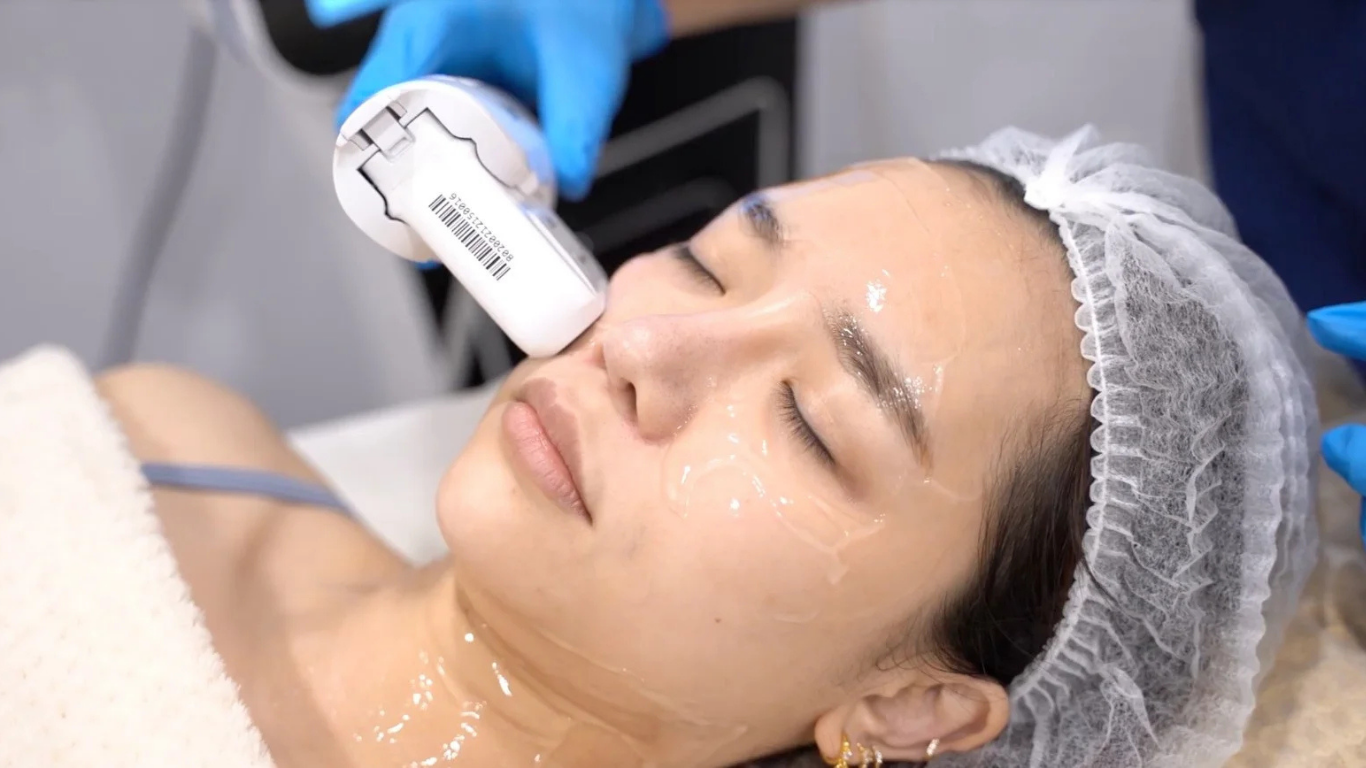
Aging is a natural part of life, but for many of us, the visible signs of aging—sagging skin, fine lines, and loss of facial volume—can affect confidence. Over the years, I’ve tried a variety of treatments, from simple creams to invasive procedures, but one that recently caught my attention in Singapore is the HIFU face lift Singapore. Known for its non-invasive approach and impressive results, it’s become one of the most talked-about treatments in aesthetic clinics across the city.
What Is a HIFU Face Lift?
HIFU stands for High-Intensity Focused Ultrasound. It’s a cutting-edge technology that targets the deep layers of the skin to stimulate collagen production. Collagen is the protein responsible for keeping skin firm, plump, and youthful. Unlike traditional facelifts that require surgery and significant recovery time, a HIFU face lift is non-invasive, meaning there’s no cutting, stitching, or lengthy downtime.
During a HIFU treatment, ultrasound energy penetrates deep into the skin layers, creating controlled micro-injuries. These micro-injuries signal your body to produce collagen, which gradually lifts and tightens the skin over time. The treatment is precise, customizable, and typically focuses on areas such as the cheeks, jawline, neck, and brow.
In my case, I had noticed mild sagging along my jawline and some laxity around my cheeks—perfect candidates for a HIFU treatment.
Why HIFU Is Popular in Singapore
Singapore has one of the highest demands for non-surgical aesthetic procedures in Asia. Many locals prefer treatments that offer noticeable results without the risks or downtime of surgery. HIFU fits this profile perfectly. Clinics in Singapore have been refining their techniques, using advanced devices that ensure safer, more effective treatments.
One of the reasons I chose a clinic here was the combination of experience and the availability of genuine consultation before the procedure. They offered a detailed breakdown of my skin type, areas to target, and expected results. That level of personalized care made me feel confident about moving forward.
The Consultation Process
Before any HIFU face lift, the clinic typically conducts a consultation to assess:
- Skin laxity and condition
- Areas requiring lifting or contouring
- Any underlying health conditions
- Realistic expectations for results
During my consultation, the aesthetic practitioner examined my facial structure and explained how HIFU targets the SMAS (superficial muscular aponeurotic system) layer. This layer is usually addressed in surgical facelifts, which is why HIFU can offer a comparable lift without the scalpel.
We also discussed the potential discomfort. While HIFU is generally well-tolerated, it’s normal to feel a warm tingling or mild pricking sensation as the ultrasound energy is delivered. Being mentally prepared helped me manage the sensation much better during the session.
How the HIFU Face Lift Procedure Works
The procedure itself typically lasts 30–90 minutes, depending on the areas treated. Here’s a step-by-step breakdown based on my experience:
- Cleansing: The skin is thoroughly cleansed to remove makeup, oils, or impurities.
- Marking: The practitioner marks the treatment areas for precise targeting.
- Gel Application: A water-based gel is applied to help the ultrasound device glide smoothly and conduct energy effectively.
- Treatment Delivery: The HIFU device is applied to the skin, delivering focused ultrasound energy. You may feel tingling, warmth, or slight discomfort in deeper layers.
- Completion: After treatment, the gel is removed, and a calming cream may be applied.
During my session, I felt intermittent warmth and tiny pinches on the jawline and under my chin. It wasn’t unbearable, but I could definitely feel the energy working beneath the surface. The practitioner adjusted the intensity in real-time based on my comfort, which made a huge difference.
Pain Levels and Sensation
Pain tolerance varies from person to person. Many clinics describe HIFU as “mildly uncomfortable” rather than painful. In my experience:
- Cheeks and forehead were relatively comfortable.
- Jawline and under the chin were slightly more sensitive.
- The sensation felt like a series of small taps or warmth deep under the skin.
Some clinics offer topical numbing creams for sensitive patients, though it’s usually not necessary. Mental preparation and knowing what to expect can significantly reduce anxiety and perception of pain.
Immediate Post-Treatment Effects
One of the reasons I love HIFU is the minimal downtime. After my session:
- Skin felt slightly warm and tight.
- There was minor redness in targeted areas, but it subsided within a few hours.
- No swelling, bruising, or scabbing occurred.
Many patients can return to work or daily activities immediately, which is a huge advantage over traditional facelifts or fillers that require more recovery time.
Expected Results
HIFU results are not immediate. Collagen production takes time, and most people start seeing noticeable improvements 2–3 months after the treatment, with optimal results around 6 months.
For me, the timeline looked like this:
- Week 1–2: Mild tightness, no visible lift yet.
- Month 1: Slight contouring along the jawline and cheeks.
- Month 3: Skin felt firmer, and sagging had reduced.
- Month 6: Significant lift along the jawline and improved skin elasticity overall.
Results vary depending on age, skin condition, lifestyle, and the number of treatment sessions. Some patients may benefit from follow-up sessions every 12–18 months to maintain the lift.
Areas That Can Be Treated
HIFU can be used to treat multiple areas of the face and neck:
- Jawline and jowls: Lifts sagging skin for a more defined profile.
- Cheeks: Restores volume and firmness.
- Forehead and brows: Reduces drooping brows and fine lines.
- Neck: Tightens loose skin and reduces the appearance of “turkey neck.”
- Undereye area: Improves mild sagging or puffiness (though sensitivity varies).
I opted for jawline, cheeks, and under the chin—these were my main areas of concern.
Downtime and Recovery
One of the biggest perks of a HIFU face lift is zero downtime. Unlike surgical facelifts, which can require weeks of recovery, HIFU allows you to resume normal life immediately.
Post-treatment, you may notice:
- Slight redness or warmth (resolves within hours)
- Mild tingling or tightness (normal and temporary)
- Rarely, slight swelling or tenderness
I personally didn’t experience any swelling, bruising, or scabbing, which made it convenient to schedule the treatment without affecting my social or work commitments.
Potential Side Effects
HIFU is generally safe when performed by trained practitioners. Side effects are typically mild and temporary:
- Redness or warmth
- Minor swelling
- Tingling or tenderness
- Rare: temporary bruising or numbness
Serious complications are extremely rare, especially when treatment is performed in reputable clinics using FDA-approved devices.
Who Is a Good Candidate?
HIFU is suitable for adults with mild to moderate skin laxity. Ideal candidates:
- Want a non-surgical facelift
- Have mild sagging or fine lines
- Prefer minimal downtime
- Have realistic expectations
It may not be suitable for individuals with:
- Severe sagging or deep wrinkles (surgical options might be better)
- Skin infections or open wounds in the treatment area
- Certain medical conditions affecting healing or skin integrity
During my consultation, the practitioner carefully assessed my suitability, which is a crucial step for safety and effective results.
Personal Tips for HIFU Success
Based on my experience, here are a few tips to get the most out of your HIFU face lift:
- Choose a reputable clinic: Experience and device quality matter. Avoid clinics offering extremely cheap deals—results and safety could be compromised.
- Follow pre- and post-treatment advice: Most clinics recommend avoiding intense heat (saunas, sunbathing) immediately after treatment.
- Stay hydrated and maintain skincare: Healthy skin responds better to collagen stimulation.
- Be patient: Results develop gradually. Don’t expect overnight transformations.
- Consider maintenance sessions: Depending on age and skin condition, periodic HIFU treatments can help sustain results.
I also found that combining HIFU with my existing skincare routine—gentle cleansers, hyaluronic acid, and sunscreen—enhanced overall skin quality.
Comparing HIFU to Other Treatments
Many people consider HIFU versus other options such as:
- Botox: Targets dynamic wrinkles, not skin sagging.
- Dermal fillers: Restore volume but don’t tighten skin.
- Surgical facelift: Dramatic lift but invasive, expensive, and involves significant recovery.
HIFU bridges the gap between non-invasive and surgical treatments. It lifts and tightens without needles or incisions, making it ideal for early signs of aging or for patients hesitant about surgery.
Cost of HIFU Face Lift in Singapore
The cost varies based on clinic, treatment area, and device used. On average:
- Partial face treatments: SGD 800–1,500
- Full face and neck: SGD 1,500–3,000
While more expensive than topical treatments, HIFU offers long-lasting results without surgery, which many find worthwhile.
Final Thoughts
My experience with the HIFU face lift Singapore was positive. I appreciated the non-invasive approach, minimal downtime, and gradual, natural-looking results. It’s a treatment that bridges modern technology with aesthetic needs, helping individuals maintain youthful, firm skin without going under the knife.
If you’re considering HIFU, remember to consult with a certified practitioner, set realistic expectations, and plan for gradual results. For those looking for a reliable, effective, and non-surgical way to lift and tighten skin, HIFU is certainly worth exploring.