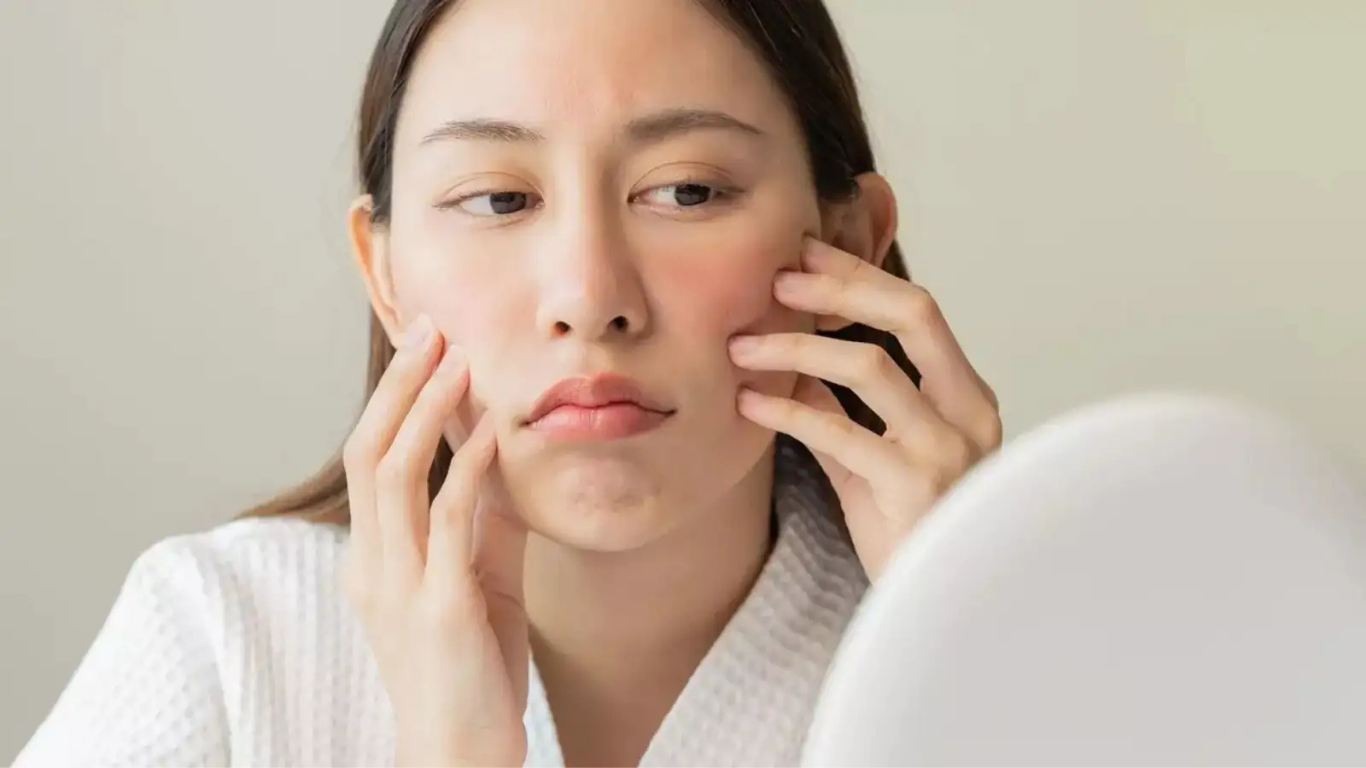
Living in Singapore comes with many advantages — a vibrant city life, world-class healthcare, and delicious food. But one factor that many people struggle with is the climate. Singapore’s hot and humid environment can take a toll on your skin, leading to excess oil, breakouts, pigmentation, and sensitivity. Over the years, I’ve personally tried various skincare routines and treatments, but it wasn’t until I consulted a specialist that I truly understood what works best for skin in this unique climate.
If you’re seeking advice from a good dermatologist Singapore, this guide will walk you through the most effective treatments and routines recommended by experts, tailored specifically for Singapore’s humidity.
Understanding How Humidity Affects Your Skin
Humidity impacts skin in ways that are different from drier climates:
- Increased oil production: Sweat and sebum mix, leading to clogged pores and acne.
- Higher risk of fungal infections: Moist conditions can promote fungal growth, especially in areas like underarms and feet.
- Faster sun damage: Even on cloudy days, UV exposure in a humid environment can lead to pigmentation issues and premature aging.
- Dehydration paradox: Despite the moisture in the air, skin can still become dehydrated, especially if air conditioning is frequently used.
Recognizing these effects is the first step in choosing treatments that will work year-round in Singapore.
Common Skin Issues in Singapore’s Climate
- Acne and Breakouts
The combination of heat, humidity, and pollution often leads to clogged pores, blackheads, and acne flare-ups. Many people struggle with adult acne, which can persist even after adolescence. - Excess Oiliness
Sweat and sebum can make the skin appear shiny and prone to congestion. Standard cleansers sometimes aren’t enough to manage this effectively. - Pigmentation
Post-inflammatory hyperpigmentation, melasma, and sun spots are common, particularly due to consistent UV exposure and sweat-induced irritation. - Fungal and Bacterial Infections
Humidity creates a breeding ground for fungal infections such as tinea, especially in sweaty areas. - Sensitive and Irritated Skin
Heat, sweat, and friction can exacerbate redness, rashes, and eczema flares.
Dermatologist-Recommended Treatments for Singapore’s Climate
Here’s a breakdown of treatments and practices that dermatologists commonly recommend to manage these skin challenges effectively.
1. Professional Acne Treatments
For acne prone to flare-ups in humid conditions:
- Chemical Peels: Mild peels can reduce clogged pores, control oil, and lighten pigmentation.
- Laser Treatments: Certain lasers target acne scars and active inflammation without harming surrounding skin.
- Topical Prescription Medications: Retinoids, benzoyl peroxide, or medicated creams help regulate sebum production and reduce bacterial growth.
From personal experience, combining professional treatments with a dermatologist-recommended at-home routine drastically improved my skin’s clarity in humid weather.
2. Hydration Without Oiliness
It might seem counterintuitive, but keeping skin hydrated is crucial, even in Singapore’s humid climate.
- Non-comedogenic moisturizers: Lightweight gels or water-based moisturizers provide hydration without clogging pores.
- Hyaluronic acid serums: These help retain moisture while keeping skin matte.
- Regular exfoliation: Gentle exfoliation removes dead skin cells and prevents pore congestion.
I noticed a significant difference once I switched to water-based moisturizers recommended by my dermatologist, even on the hottest days.
3. Sun Protection Is Non-Negotiable
UV rays contribute to pigmentation, premature aging, and skin cancer risk. Humidity often encourages sweating, which can wash away sunscreen.
- Broad-spectrum sunscreen: SPF 30 or higher, suitable for humid climates.
- Frequent reapplication: Especially if outdoors or sweating.
- Physical sunblocks: Some prefer mineral-based options to minimize irritation.
Daily sun protection has been a game-changer in preventing post-inflammatory pigmentation after breakouts.
4. Targeted Pigmentation Treatments
For persistent pigmentation issues caused by the humid climate:
- Laser Therapy: Fractional lasers and Q-switched lasers reduce melasma and post-acne scars.
- Topical Lightening Agents: Ingredients like vitamin C, niacinamide, or hydroquinone (under professional supervision) help even out skin tone.
- Chemical Peels: Mild peels reduce superficial pigmentation and brighten skin.
I personally combined mild chemical peels with a daily antioxidant serum, and it noticeably improved my skin tone over several months.
5. Treating Fungal and Bacterial Skin Conditions
High humidity increases fungal infections, such as athlete’s foot or body rashes:
- Antifungal Creams: Effective for localized fungal infections.
- Hygiene and Clothing Choices: Breathable fabrics and frequent showering help prevent recurrence.
- Professional Treatments: Dermatologists can prescribe stronger medications or suggest laser therapy for resistant cases.
Awareness and early treatment are key, as ignoring minor fungal infections can lead to chronic irritation.
6. Sensitive Skin Management
Humidity, sweat, and friction can exacerbate sensitive skin issues:
- Gentle Cleansers: Avoid harsh soaps that strip natural oils.
- Calming Serums and Moisturizers: Products with aloe vera, panthenol, or centella asiatica reduce redness and irritation.
- Professional Advice: A dermatologist can tailor a routine that balances hydration, oil control, and sensitivity.
Using dermatologist-recommended calming serums has helped reduce flare-ups during hot months in Singapore.
7. Long-Term Maintenance Treatments
Beyond active treatment, dermatologists often suggest maintenance strategies:
- Monthly facials or mild peels: Prevent buildup of dead skin and maintain clear pores.
- Professional check-ups: Regular visits to monitor skin condition and adjust treatments.
- Lifestyle Adjustments: Balanced diet, adequate hydration, and managing stress all contribute to skin health.
Consistency is crucial — treating skin only when problems flare up is far less effective than ongoing preventive care.
My Personal Skincare Journey in Humidity
Living in Singapore, I used to struggle with shiny, congested skin and post-acne pigmentation. Initially, I tried over-the-counter products that claimed to work in humid conditions, but results were inconsistent. Once I consulted a good dermatologist in Singapore, I learned how to balance hydration, oil control, and protection against pigmentation.
Through professional treatments, lightweight moisturizers, targeted serums, and strict sun protection, my skin gradually became more resilient to the climate. What I realized is that it’s not just about fighting breakouts — it’s about building a routine that supports skin in a consistently humid environment.
Choosing the Right Dermatologist in Singapore
When selecting a dermatologist in Singapore, consider:
- Experience with local skin issues: A dermatologist familiar with humid climate challenges can recommend treatments suited to your environment.
- Range of treatments offered: Acne management, laser therapy, pigmentation treatments, and skin maintenance services are all important.
- Personalized approach: A good dermatologist will tailor treatments based on your skin type, condition, and lifestyle.
- Reputation and patient reviews: Trusted clinics with positive feedback ensure safer, more effective outcomes.
Consulting a good dermatologist in Singapore ensures you receive advice and treatment specifically designed for your skin’s needs in a humid climate.
Everyday Skincare Tips for Humid Weather
In addition to professional treatments, these daily practices can make a big difference:
- Cleanse Twice Daily: Remove sweat, dirt, and excess oil without over-stripping skin.
- Use Lightweight Moisturizers: Hydrate without clogging pores.
- Apply Sunscreen Every Day: Even if indoors, UV rays penetrate windows.
- Avoid Heavy Makeup: Thick foundations trap heat and sweat.
- Stay Hydrated: Drinking water supports overall skin health.
- Regular Exfoliation: Prevents dead skin accumulation that can lead to breakouts.
- Choose Breathable Clothing: Reduces friction and sweat-induced irritation.
Following these steps consistently, combined with dermatologist-recommended treatments, helps maintain healthy skin year-round.
Conclusion
Singapore’s humid climate presents unique challenges for skin health, from breakouts to pigmentation to sensitivity. While over-the-counter products may offer temporary relief, the most effective approach is a combination of professional treatments and daily preventive care.
By consulting a good dermatologist in Singapore, you gain access to expertise tailored to humid climates, personalized treatment plans, and long-term skin maintenance strategies. Whether it’s controlling acne, protecting against sun damage, managing pigmentation, or keeping sensitive skin calm, dermatologist-recommended treatments ensure that your skin remains healthy and resilient despite the heat and humidity.
Investing in proper skincare and professional guidance can save time, reduce frustration, and lead to healthier, more confident skin in the long run. With the right support, Singapore’s climate doesn’t have to be a challenge — it can simply be a backdrop for radiant, well-cared-for skin.